For operators of large-scale air separation plants, long-term performance depends on more than production capacity alone. Factors such as operating stability, maintenance requirements, energy consumption, and equipment durability all influence the overall value of an industrial gas facility. As air separation plants are designed for continuous operation, every major component must contribute to reliable and efficient performance.
Cryogenic cold boxes are critical components that help air separation plants achieve these goals by providing a controlled environment for low-temperature separation equipment. Through effective insulation, compact integration, and protection of cryogenic systems, cold boxes help maintain stable operating conditions while supporting consistent oxygen, nitrogen, and argon production.
The quality of cold box manufacturing directly affects the reliability and efficiency of the entire air separation system. Advanced manufacturing processes, precise engineering, and strict quality control enable modern cold boxes to perform under demanding industrial conditions and support the long service life expected from large-scale gas production facilities.
How Cryogenic Cold Boxes Enhance Thermal Efficiency in Large-Scale Air Separation Plants
Thermal management is one of the most important considerations in cryogenic air separation processes. Large-scale air separation plants operate under extremely low-temperature conditions, where maintaining thermal balance is essential for efficient gas separation. Any unnecessary heat transfer from the surrounding environment can increase refrigeration requirements and reduce overall system efficiency.
Cryogenic cold boxes improve thermal efficiency by creating a highly insulated environment for critical low-temperature equipment, including heat exchangers, distillation columns, and cryogenic piping systems. The cold box structure minimizes external heat penetration and helps maintain the temperature conditions required for efficient separation of oxygen, nitrogen, and argon.
Key design features that contribute to thermal efficiency include:
Advanced insulation systems: Reduce heat ingress and protect cryogenic components from external temperature changes.
Optimized equipment arrangement: Shortens connection distances and improves process efficiency.
Integrated cryogenic design: Allows multiple components to operate within a controlled environment.
Precision fabrication: Ensures insulation performance and structural reliability.
Professional cold box manufacturing focuses on achieving consistent thermal performance through careful material selection, accurate assembly, and engineering optimization. This allows large-scale air separation plants to maintain stable operation while improving energy utilization.
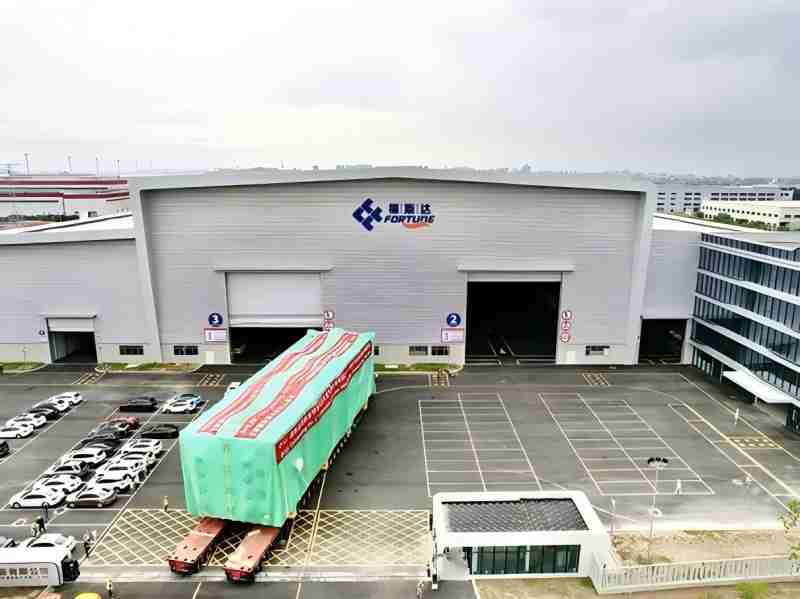
How Cryogenic Cold Boxes Improve Energy Efficiency in Industrial Gas Production
Energy consumption is a major factor in the operation of industrial gas production facilities. Since air separation requires refrigeration and compression systems, improving energy efficiency is a key objective for plant operators. Well-designed cryogenic cold boxes help reduce unnecessary energy losses by maintaining effective thermal insulation throughout the cryogenic process.
By limiting heat transfer and supporting efficient heat exchange, cold boxes reduce the additional cooling demand required to maintain cryogenic conditions. This contributes to more efficient operation and helps industrial users achieve better long-term operating performance.
| Cold Box Design Aspect | Impact on Air Separation Plant Performance |
|---|
| High-performance insulation | Reduces external heat leakage and supports stable cryogenic temperatures. |
| Compact internal arrangement | Improves equipment integration and reduces unnecessary process losses. |
| Heat exchanger protection | Supports efficient thermal exchange during gas separation. |
| Structural integrity | Maintains reliable performance during long-term industrial operation. |
| Advanced cold box manufacturing | Improves consistency, durability, and operational efficiency. |
For large industrial facilities, improvements in energy efficiency can significantly influence operating costs over the plant lifecycle. This is why experienced suppliers with strong cold box manufacturing capabilities are essential partners for modern air separation projects.
The Role of Cryogenic Cold Boxes in ASU Integration and Stable Plant Operation
An air separation unit (ASU) is composed of multiple interconnected systems that must work together precisely. Compressors, purification equipment, heat exchangers, distillation columns, and control systems all contribute to the final production process. Within this complex structure, cryogenic cold boxes provide an integrated environment for key low-temperature equipment.
The cold box simplifies ASU integration by organizing critical cryogenic components into a protected and efficient structure. This improves equipment coordination, reduces installation complexity, and supports smoother plant commissioning.
The main integration advantages of cryogenic cold boxes include:
Improved arrangement of cryogenic process equipment
Better protection of low-temperature components
Reduced impact from external environmental conditions
Enhanced stability during continuous plant operation
Because every ASU project has different production requirements and site conditions, professional cold box manufacturing requires detailed engineering evaluation. Proper design ensures that cold boxes match the specific needs of each air separation plant.
How Cryogenic Cold Boxes Improve the Reliability of Continuous Air Separation Operations
Industrial gas plants often operate continuously to support downstream manufacturing processes. Any unexpected interruption can affect production schedules and operational efficiency. Therefore, reliability is one of the most important factors when selecting equipment for large-scale air separation systems.
Cryogenic cold boxes improve reliability by protecting sensitive cryogenic equipment and maintaining consistent operating conditions. Their insulated structures help reduce temperature fluctuations and protect internal components from external influences.
Major reliability benefits include:
Stable cryogenic conditions: Maintains the temperatures required for efficient separation.
Equipment protection: Helps extend the service life of critical components.
Reduced maintenance needs: Supports continuous operation and fewer disruptions.
Improved process stability: Helps maintain consistent gas production quality.
High-quality cold box manufacturing also plays an important role in ensuring reliability. Accurate fabrication, effective insulation installation, and strict quality control help cold boxes withstand demanding industrial environments.
Why Advanced Cryogenic Cold Boxes Are Essential for Large-Scale Air Separation Plants
As industrial users continue to demand higher efficiency, greater reliability, and improved operational flexibility, advanced cryogenic cold boxes have become essential components in large-scale air separation plants. Their ability to maintain thermal stability and support equipment integration directly affects overall plant performance.
Modern cold box manufacturing combines engineering expertise, advanced insulation technology, and precise fabrication methods to meet the requirements of complex industrial gas projects. High-performance cold boxes help operators achieve reliable production while improving energy efficiency and reducing operational challenges.
The main advantages of advanced cryogenic cold boxes include:
Enhanced thermal insulation performance
Improved energy efficiency during operation
Better integration with ASU systems
Reliable performance for continuous production
Long-term operational stability
Fortune Gas provides industrial gas solutions designed to support modern air separation applications. Through advanced engineering capabilities and industry experience, the company helps customers achieve efficient and reliable gas production systems.
Customers can explore more information about Fortune Gas solutions through its industrial gas products , which cover different application requirements for industrial users.
For companies seeking technical guidance, project consultation, or further information about cryogenic equipment solutions, they can contact Fortune Gas engineering specialists for professional support.
Conclusion
Cryogenic cold boxes play a fundamental role in improving the performance of large-scale air separation plants. By enhancing thermal efficiency, reducing energy losses, supporting ASU integration, and improving operational reliability, cold boxes help industrial gas facilities achieve stable and efficient production.
Selecting suppliers with advanced cold box manufacturing expertise is essential for ensuring equipment quality, long-term reliability, and optimized plant performance. With professional engineering capabilities and industry-focused solutions, Fortune Gas supports customers in meeting the evolving requirements of modern air separation applications.
FAQ
1. What are cryogenic cold boxes used for?
Cryogenic cold boxes are used to house and protect low-temperature equipment in air separation plants, including heat exchangers, distillation columns, and cryogenic piping systems.
2. How do cryogenic cold boxes improve air separation efficiency?
They improve efficiency by reducing heat transfer, maintaining cryogenic temperatures, and supporting effective separation processes.
3. Why is cold box manufacturing important?
Cold box manufacturing affects insulation performance, structural reliability, equipment integration, and the overall efficiency of air separation plants.
4. What equipment is installed inside a cold box?
Cold boxes typically contain heat exchangers, distillation columns, valves, piping systems, and other cryogenic process components.
5. How do cold boxes help reduce energy consumption?
They reduce heat leakage and minimize the additional refrigeration load required to maintain low-temperature operating conditions.
6. Which industries use cryogenic cold boxes?
Cryogenic cold boxes are widely used in industrial gas production, metallurgy, chemical processing, energy, and large-scale manufacturing industries.

