Hydrogen systems involve much more than hydrogen generation itself. After production, hydrogen often needs further treatment, including purification, recovery, separation, and conditioning before it can be used in industrial applications. These processes require precise temperature control and stable operating conditions, especially when cryogenic technologies are involved.
This is where cryogenic cold boxes become an important part of modern gas processing systems. By combining heat exchange equipment, cryogenic piping, insulation structures, and process components within a controlled environment, cold boxes help maintain the low-temperature conditions required for efficient gas separation.
An industrial cold box is designed to solve one of the biggest challenges in cryogenic processing: protecting sensitive equipment and process streams from unwanted heat transfer. Through optimized thermal management and integrated design, cold box technology supports more stable operation in hydrogen facilities and other clean energy applications.
As hydrogen infrastructure continues to develop, the demand for efficient and reliable cryogenic systems is increasing. Understanding how cryogenic cold boxes work and where they provide value helps engineers and project developers make better decisions when planning advanced gas processing facilities.
The Growing Need for Cryogenic Cold Boxes in Hydrogen Processing
Hydrogen can be produced through different processes, and the composition of the resulting gas stream varies depending on the production method. In many industrial applications, hydrogen is mixed with other gases and requires additional separation or purification before it reaches the required quality level.
Cryogenic processing provides an effective approach when differences in boiling points and physical properties can be used for gas separation. However, these processes depend heavily on maintaining stable low temperatures. Even small changes in thermal conditions may influence separation efficiency, energy consumption, and final product quality.
A cryogenic cold box creates a controlled environment where low-temperature equipment can operate effectively. Instead of treating insulation as a separate component, the cold box integrates thermal protection with the process equipment itself. This design reduces heat intrusion from the surrounding environment and helps maintain consistent cryogenic conditions.
For hydrogen-related applications, this stability is particularly valuable. Hydrogen purification and recovery systems often operate continuously, meaning equipment must maintain performance over long operating periods while handling demanding temperature requirements.
The selection of suitable cryogenic equipment depends on factors such as process conditions, required purity levels, production capacity, and system integration needs. Reviewing different industrial gas and cryogenic equipment solutions can help engineers understand how cold box technology can be applied in different process environments.
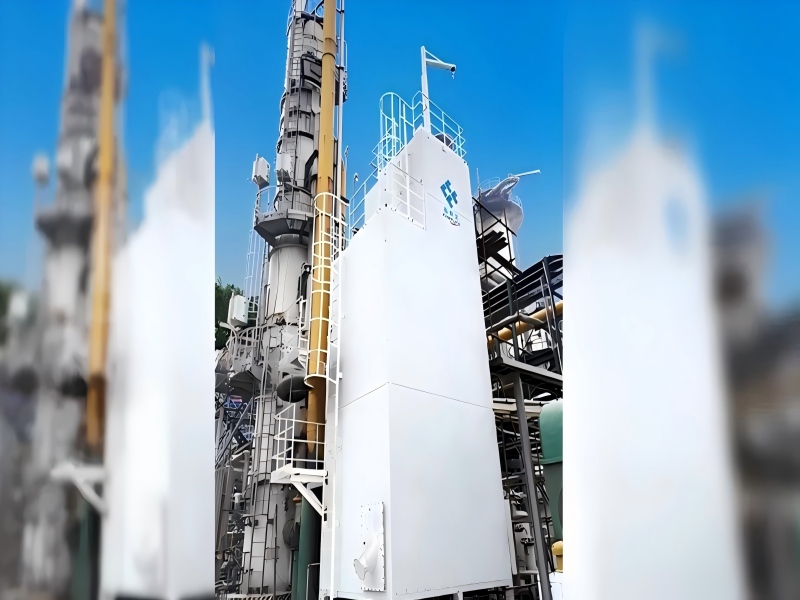
How Industrial Cold Boxes Manage Low-Temperature Separation in Hydrogen Systems
During cryogenic processing, maintaining a stable temperature profile is essential. An industrial cold box provides the controlled environment needed for heat exchangers, piping systems, and separation equipment to work together under extremely low-temperature conditions.
Inside a cold box, different components perform specific functions while operating as part of a single integrated system. Heat exchangers transfer thermal energy between process streams, cryogenic piping transports fluids while limiting heat loss, and insulation systems protect the internal environment from external temperature changes.
The advantage of an integrated cold box design is that it allows engineers to manage the entire cryogenic process more effectively. Instead of installing separate insulated components, critical equipment can be arranged within one optimized structure. This approach helps reduce space requirements while improving process coordination.
For hydrogen systems, effective temperature management directly affects separation performance. If excessive heat enters the process, additional refrigeration may be required, increasing energy demand and affecting operating costs. A well-designed industrial cold box minimizes these issues by maintaining a stable thermal environment.
Another important consideration is equipment reliability. Hydrogen and clean energy projects often require continuous operation, so the cold box must be designed to withstand long-term exposure to low temperatures, pressure variations, and demanding industrial conditions.
| Consideration | Cryogenic Cold Box Approach | Impact on System Operation |
|---|
| Temperature control | Integrated insulation and thermal management maintain stable low temperatures | Supports consistent separation performance |
| Equipment integration | Multiple cryogenic components are arranged within one insulated structure | Reduces complexity and improves process coordination |
| Energy management | Cold energy is preserved and reused through efficient system design | Helps reduce unnecessary energy consumption |
| Operational reliability | Components are designed for continuous cryogenic service | Improves long-term system stability |
Engineering Features That Make Cryogenic Cold Boxes Suitable for Clean Energy Applications
Clean energy projects require equipment that can operate efficiently while adapting to changing production requirements. For this reason, modern cryogenic cold boxes are developed with a strong focus on thermal performance, equipment integration, and long-term reliability.
One of the most important engineering considerations is insulation performance. Since cryogenic systems operate at extremely low temperatures, preventing heat leakage is essential. High-quality insulation materials and carefully designed structures help maintain internal conditions without excessive refrigeration demand.
Heat exchange efficiency is another key factor. Many cryogenic processes rely on recovering and transferring cold energy between different streams. Efficient heat exchanger design allows the system to make better use of available cooling capacity, improving overall energy utilization.
The internal arrangement of equipment also influences cold box performance. A well-planned layout reduces unnecessary piping distance, simplifies connections, and improves accessibility during operation and maintenance. This is especially important for large industrial facilities where reliability and serviceability affect long-term project value.
Material selection and fabrication quality are equally important. Components inside a cryogenic environment must maintain structural performance under low temperatures and changing operating conditions. Careful engineering ensures that the cryogenic cold box can provide stable service throughout its operational life.
With experience in cryogenic engineering and industrial gas applications, Fortune Gas develops solutions designed around different process requirements. The combination of system integration capability and cold box technology allows industrial users to address complex gas processing challenges in hydrogen and other energy-related fields.
Reducing Energy Loss Through Better Cryogenic Cold Box Performance
In cryogenic processing systems, energy consumption is closely connected with how effectively cold energy is maintained and reused. Since cooling equipment operates under extremely low temperatures, controlling heat transfer from the surrounding environment is one of the most important factors affecting overall efficiency.
A well-designed industrial cold box reduces unnecessary energy loss by combining effective insulation with optimized equipment integration. The insulation layer surrounding the cold box limits external heat penetration, allowing internal components to maintain stable operating temperatures with less additional refrigeration demand.
Heat recovery is another important aspect of cold box performance. During gas processing, different streams often enter and leave the system at different temperatures. Advanced heat exchanger arrangements inside cryogenic cold boxes allow cold energy from outgoing streams to be transferred back to incoming process streams, improving energy utilization.
This approach is particularly valuable in hydrogen-related applications, where reducing energy consumption is closely linked to improving the overall economics of clean energy projects. By minimizing cold loss and improving thermal management, an efficient cold box system can support more sustainable operation.
Performance optimization also depends on the interaction between individual components. Insulation quality, piping design, heat exchanger efficiency, and process control all influence how effectively a cryogenic cold box performs. A balanced design helps prevent energy waste while maintaining stable processing conditions.
Applications of Industrial Cold Boxes Across Hydrogen and Emerging Energy Industries
The application of an industrial cold box is expanding as industries develop new approaches to hydrogen production, recovery, and clean energy processing. While cold box technology has traditionally been associated with industrial gas separation, its role is becoming broader as more industries require advanced cryogenic solutions.
In hydrogen processing facilities, cold boxes can support separation and purification processes where low-temperature conditions are required. They help manage complex gas streams by maintaining the environment needed for efficient separation and recovery.
Hydrogen recovery is another area where cryogenic cold boxes can provide value. Industrial processes may generate gas mixtures containing recoverable hydrogen, and advanced cryogenic systems can help separate useful components while improving resource utilization.
Beyond hydrogen, cold box technology can also support other emerging energy applications. As clean energy infrastructure develops, industries are increasingly looking for equipment that can handle demanding temperature conditions while maintaining reliable operation over long periods.
The flexibility of modern cold box systems makes them suitable for different industrial environments. Whether used in hydrogen-related projects, gas processing facilities, or other cryogenic applications, an appropriately designed industrial cold box provides a foundation for stable and efficient operation.
What to Consider When Selecting a Cryogenic Cold Box for Hydrogen Projects
Selecting a suitable cryogenic cold box requires more than comparing equipment specifications. Hydrogen projects often involve unique process conditions, and the cold box design must match the requirements of the complete system.
The first consideration is process compatibility. Different hydrogen applications may involve different gas compositions, operating pressures, temperature ranges, and purity targets. The cold box must be designed according to these specific conditions to ensure stable performance.
Thermal performance is another important factor. Since energy efficiency is a major concern in cryogenic systems, insulation design and heat recovery capability should be carefully evaluated. A well-designed cold box can help reduce operating losses and improve long-term efficiency.
Equipment reliability should also be considered during the selection process. Hydrogen facilities are often designed for continuous operation, meaning that the cold box must maintain performance under demanding industrial conditions. Manufacturing quality, material selection, and engineering experience all influence the service life of the equipment.
Supplier capability is equally important. Designing an industrial cold box requires experience in cryogenic engineering, thermal management, and process integration. A supplier with strong technical knowledge can help ensure that the final system matches project requirements.
Because hydrogen projects often involve different operating conditions and technical requirements, early communication with an experienced supplier can help define a practical solution. Companies evaluating an industrial cold box for a specific application can discuss their project requirements with Fortune Gas and explore suitable cryogenic system approaches.
Conclusion
Advanced cryogenic cold boxes are becoming an important part of hydrogen production, gas processing, and clean energy infrastructure. By combining efficient heat management, reliable insulation, and integrated equipment design, they provide the controlled environment required for modern low-temperature processing.
An industrial cold box helps improve process stability by reducing heat loss, supporting efficient separation, and enabling reliable operation in demanding industrial environments. As hydrogen technologies continue to develop, the need for advanced cryogenic solutions will continue to grow.
Understanding the engineering principles behind cryogenic cold boxes allows project developers and industrial users to make better decisions when planning hydrogen and clean energy systems. With the right design approach, cold box technology can contribute to more efficient, reliable, and sustainable energy infrastructure.
Frequently Asked Questions (FAQ)
1.Why are cryogenic cold boxes used in hydrogen processing?
Cryogenic cold boxes provide the low-temperature environment required for certain hydrogen separation, purification, and recovery processes. They help maintain stable conditions for efficient gas processing.
2.How does an industrial cold box control low temperatures?
An industrial cold box controls low temperatures through integrated insulation, heat exchange equipment, and carefully designed cryogenic systems that reduce heat transfer from the outside environment.
3.What equipment is typically installed inside cryogenic cold boxes?
Cryogenic cold boxes commonly contain heat exchangers, cryogenic piping, valves, insulation structures, and other process components required for low-temperature operation.
4.How do cold boxes reduce energy losses in gas processing?
Cold boxes reduce energy losses by limiting heat leakage and recovering cold energy between different process streams through efficient thermal integration.
5.Are industrial cold boxes used only for hydrogen applications?
No. Industrial cold boxes are also used in various gas separation, recovery, and cryogenic processing applications beyond hydrogen systems.
6.How should companies select a cold box for hydrogen projects?
Companies should consider process requirements, temperature conditions, energy efficiency, equipment reliability, and the supplier’s experience with cryogenic system design.

